From Decline to Regeneration: A Study on the Revitalization Pathway of Shodoshima, a Remote Island in Japan
Abstract
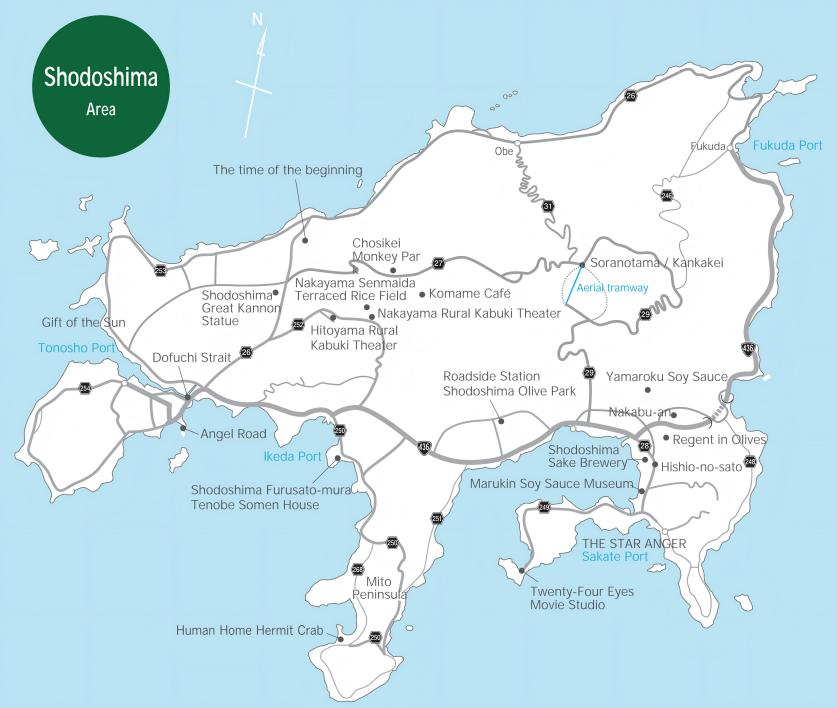
Against the backdrop of urbanization and industrial transformation, traditional offshore islands have generally fallen into a cycle of decline characterized by population loss, industrial recession, underutilized space, and waning vitality. To address this challenge, this study takes Shodoshima Island in Kagawa Prefecture, Japan, as a case study. Integrating case study and field research methods, it systematically analyzes the island's revitalization efforts catalyzed by the Setouchi International Art Festival, aiming to reveal the pathways and mechanisms through which remote islands transition from decline to regeneration. Examining Shodoshima's practices across four dimensions—spatial revitalization, industrial transformation, cultural regeneration, and multi-stakeholder governance—the study finds that local agency, public participation, and the value of local resources—core elements emphasized by traditional endogenous development theory—form the cornerstone of revitalization. However, Shodoshima's success lies more critically in establishing a virtuous interaction between internal and external actors, as well as between local and supra-local levels. This aligns with the new endogenous development theory, which offers a more inclusive, realistic, and operationally feasible policy framework than traditional models, better equipped to explain and guide rural revitalization. The multidimensional and systematic revitalization experience of Shodoshima provides a practical model for other remote island regions facing similar challenges, including those in China.