Art Therapy Practice in Intangible Cultural Heritage Revitalization: A Case Study of Dalian Jinjia Street ICH Experience Hall
Abstract
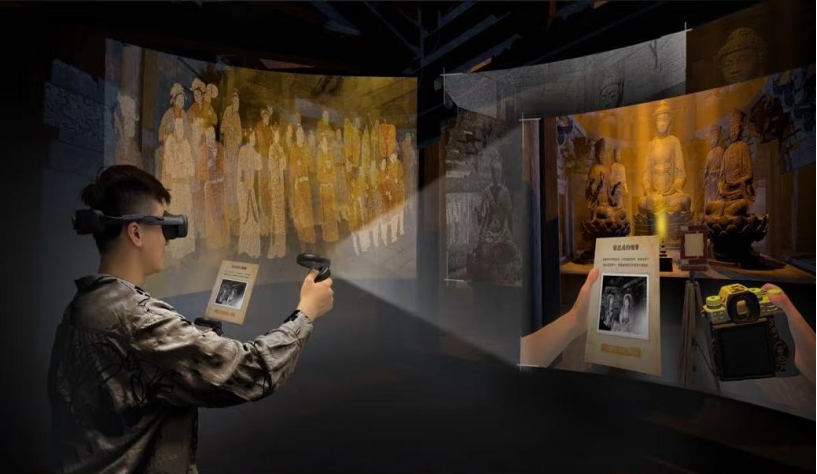
Against the backdrop of global intangible cultural heritage(ICH) protection and the growing public demand for mental health support, this paper explores the innovative integration of art therapy into ICH revitalization, with a focus on its practical paths, implementation effects, and optimization strategies. Adopting a single-case study methodology, this research takes Dalian Jinjia Street ICH Experience Hall as the research object, combining participant observation, in-depth interviews, and scale testing to systematically analyze its multi-dimensional art therapy practice system. The study finds that traditional ICH handicrafts have a natural fit with the core mechanism of art therapy, and the Jinjia Street model has achieved dual value of cultural inheritance and mental healing through three core paths: offline hierarchical immersive workshops, digital technology-enabled scenario expansion, and industry-university-research integrated long-term mechanism construction. This practice not only breaks the dilemma of traditional ICH protection models such as intergenerational inheritance and low youth participation, but also provides a culturally rooted, low-threshold, and widely accessible mental health support path for communities. Finally, this paper summarizes the practical challenges of this model and puts forward targeted optimization suggestions, in order to provide theoretical reference and practical samples for the innovative development of ICH revitalization and public mental health services.