
Interaction Design Strategies for Bronze Jue in Digital Museums from the Perspective of Embodied Cognition
Abstract
The bronze Jue is an important ritual vessel of the Pre-Qin ritual and music system. Its formal specifications, decorative implications, artifact combinations and usage rituals all embody the cultural connotation of "hiding rituals in artifacts", making it a material heritage of Chinese civilization. At present, research on the Jue (hereinafter referred to as the bronze Jue unless otherwise specified) in the fields of archaeology and history has reached a mature stage. However, in museums and various bronze artifact exhibitions, the Jue is primarily presented through static displays or basic information listings, lacking immersive presentation forms that hinder the public from deeply perceiving the ritual cultural connotations behind it. Therefore, based on archaeological empirical findings and digital technologies, and guided by the theory of embodied cognition, this study focuses on the current problems in the display and dissemination of the Jue—such as superficial presentation and insufficient visualization of ritual connotations. It designs an interactive process that aligns with the physical properties and ritual norms of the Jue, guiding audiences to comprehend ritual culture through the interaction between their bodies and the artifact, and transforming the ritual connotations of the Jue into participatory and experiential content. This research thus provides practical references for the digital activation of cultural heritage.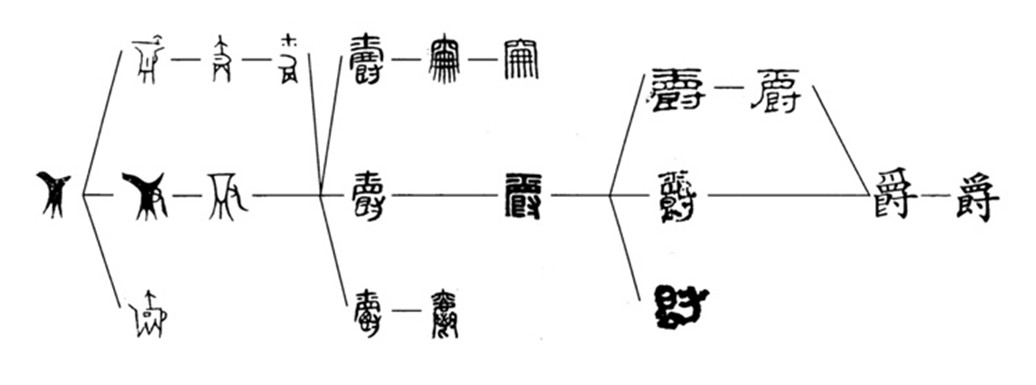
Downloads
Published
2026-04-15
Issue
Section
Articles

How to Cite
Interaction Design Strategies for Bronze Jue in Digital Museums from the Perspective of Embodied Cognition. (2026). Cultural Heritage, 1(2). https://chjournal.org/article/view/642